About me
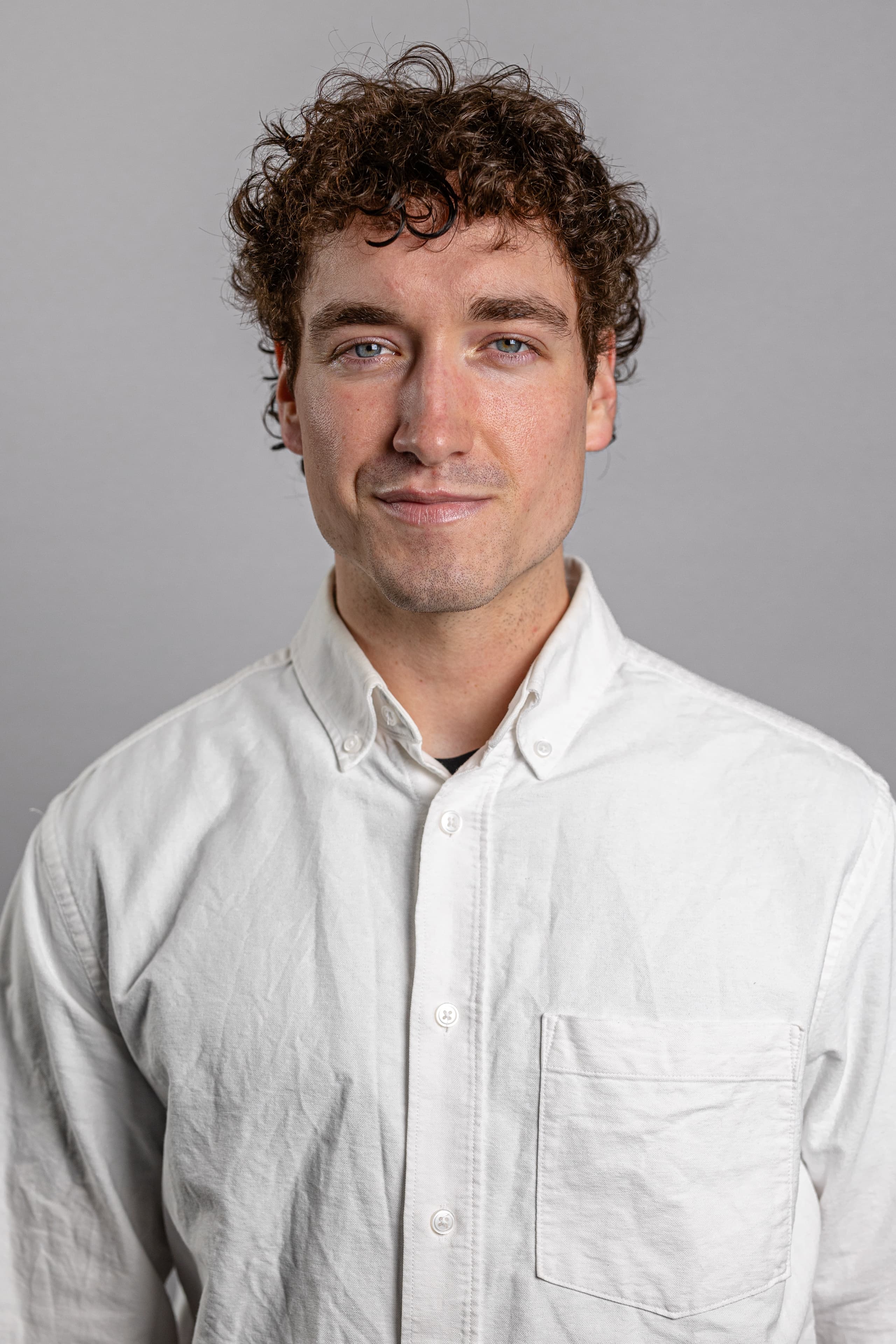
I am a Stockholm-based engineer, consultant and AI builder. My work sits between strategy and implementation: understanding complicated environments, identifying what matters, and turning that understanding into models, products and practical tools.
I am especially interested in problems where technology alone is not enough. The difficult part is often coordinating people, incentives, information, regulation and existing ways of working.
Different projects. The same underlying question.
Much of my work keeps returning to one question: how do people and organisations make good decisions when the relevant actors have different incentives, incomplete information and limited time?
At Rejlers, that question became a four-stakeholder simulation of Sweden's 2045 energy transition. Instead of explaining the problem as a slide deck, we let politicians, voters, energy companies and industry play through the trade-offs themselves. I built the Python backend: an economic engine where each group saw only part of the system, made sequential choices, and watched the consequences compound toward 2045. First deployed at DI Energi, the simulation kept being reused at industry conferences and events for more than four years.
In another Rejlers project, the same question became quieter and more regulatory. Swedish electricity distributors needed to forecast future infrastructure needs for Energy Markets Inspectorate reporting, but the model had to be defensible enough for a regulated market and simple enough to be used without friction. I designed and built an Excel model around official government scenarios and two public input points. Within its first commercial year, roughly a quarter of Swedish distribution operators had adopted it.
The pattern also shows up in my work on AI adoption. In my master's thesis with Forefront, twelve interviews revealed that capable consultants were not mainly blocked by tool quality. They were blocked by weak knowledge-sharing structures, unclear leadership, professional identity concerns and the quiet shame of using AI before it felt legitimate. The follow-on work translated that into practical recommendations; later, similar thinking shaped AI opportunity assessments for a 200-person energy division.
That is why the technical and human parts of my background are not separate tracks. The engineering work gives me the tools to model, build and quantify. The 127.5 ECTS I completed in humanities and political theory alongside KTH trained a different muscle: reading institutions, incentives, arguments and cultures. The useful output usually depends on both.


How I work
Three principles behind the output.
1.Understand before prescribing
Start with the actual incentives, constraints and available information.
2.Make complexity usable
A sophisticated solution is only valuable when people can understand and apply it.
3.Build toward adoption
The goal is not merely a correct analysis, but a model, product or decision that survives contact with reality.
Current focus
Exploring practical AI through a cross-disciplinary collective.
I am currently building an independent AI collective, a five-person group bringing together engineering, design and creative practice to explore practical AI automation for Swedish SMEs.
The focus is deliberately concrete: finding workflows where a small, well-designed system can create measurable value for the people using it.
Beyond the work
A technical path, never only technical.
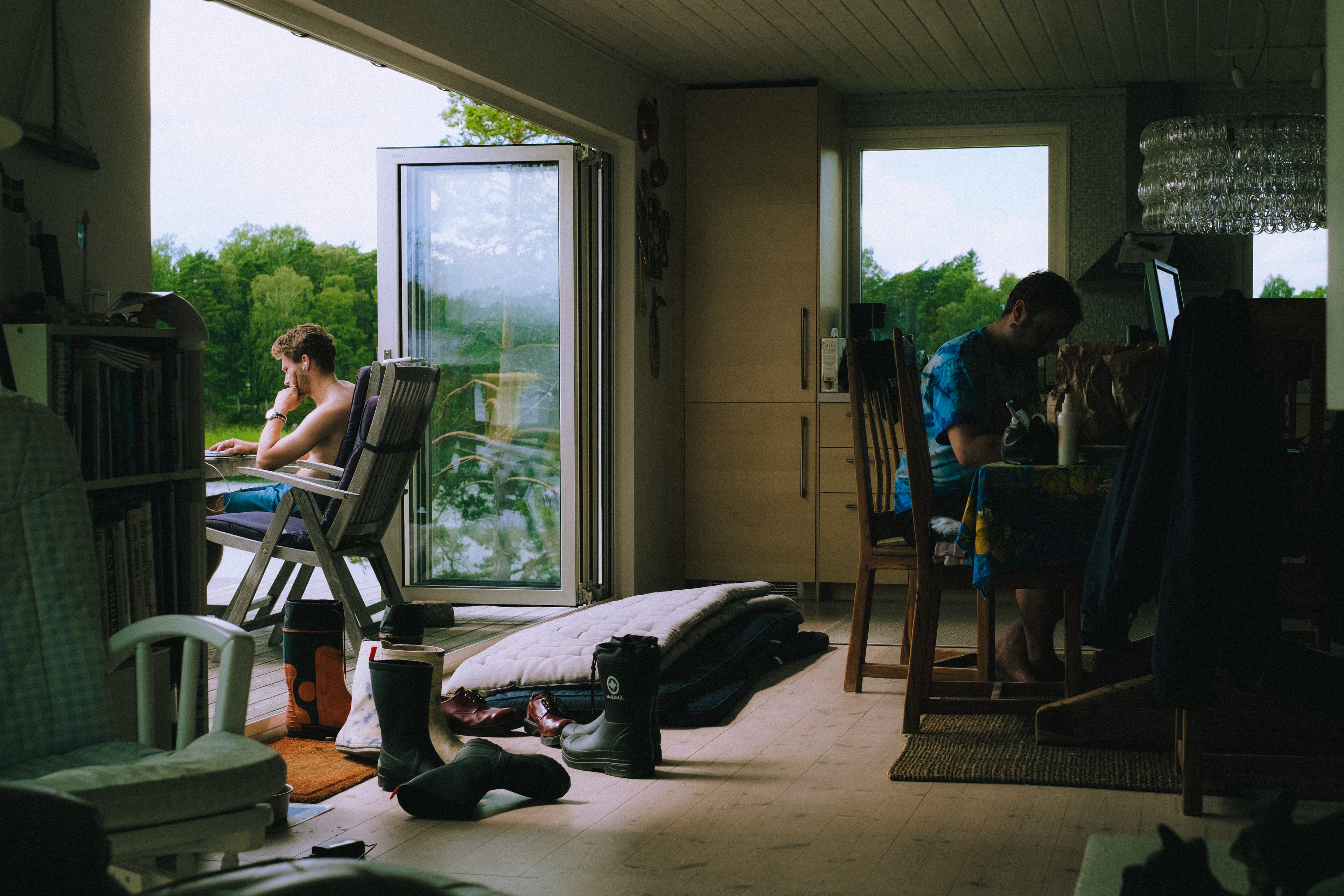
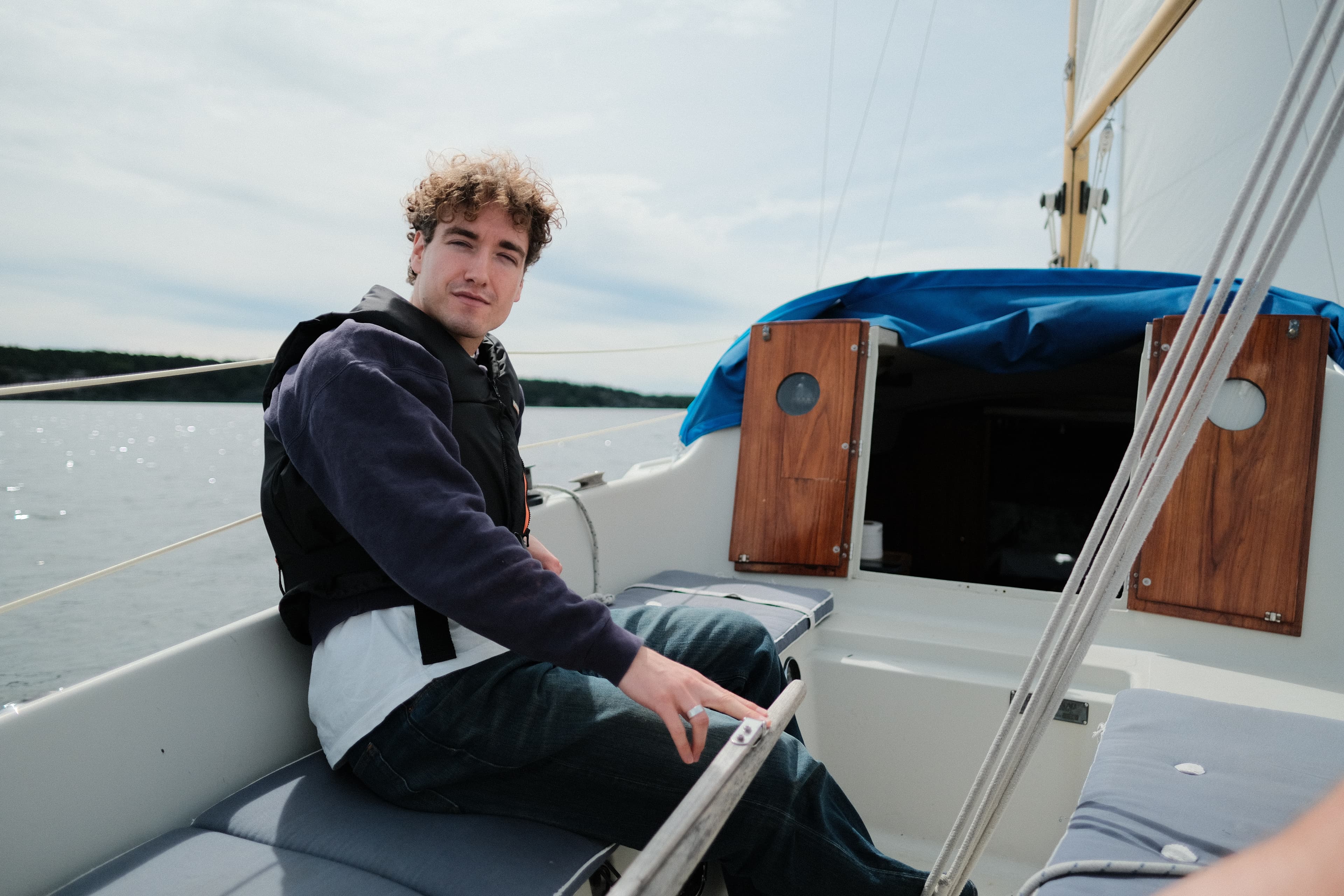
Outside work, I have spent more than ten years playing classical piano and drums. I also care deeply about literature, art, photography, fitness, and the kinds of questions that rarely have purely technical answers. The photographs and artwork throughout this site are my own.

Bring me a difficult question.
I work best on problems that require analytical depth, practical judgment and a willingness to build.
Start a conversation